

Can Lymphedema Be Treated and What Can Physiotherapy Really Do?
Lymphedema. For many, it is a word that brings uncertainty and a recurring question: “Will this ever go away?”
The answer is not straightforward, but it is far from hopeless. In this article, we will take a closer look at what lymphedema really is, why it develops, and most importantly, what modern physiotherapy can actually do to help.
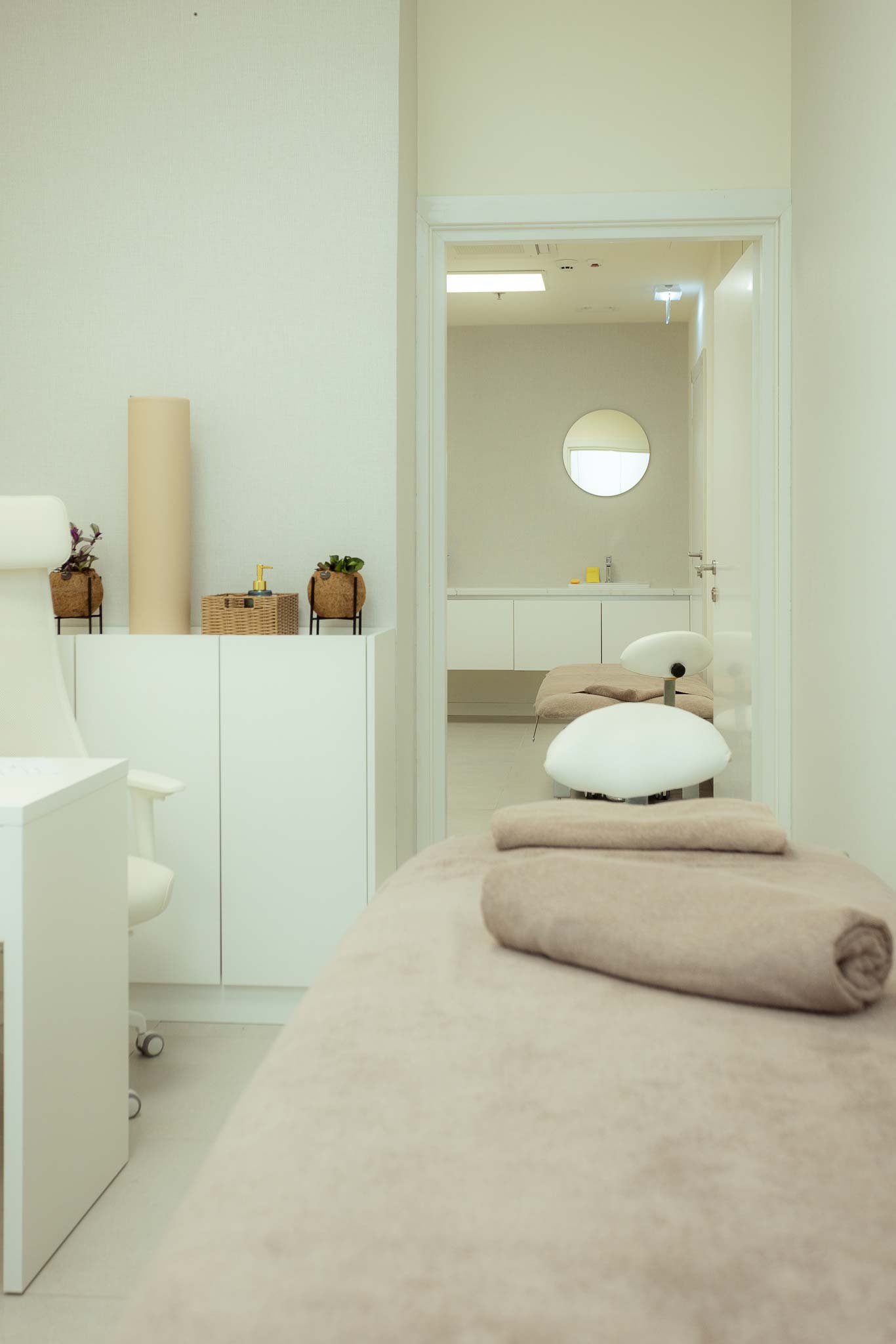
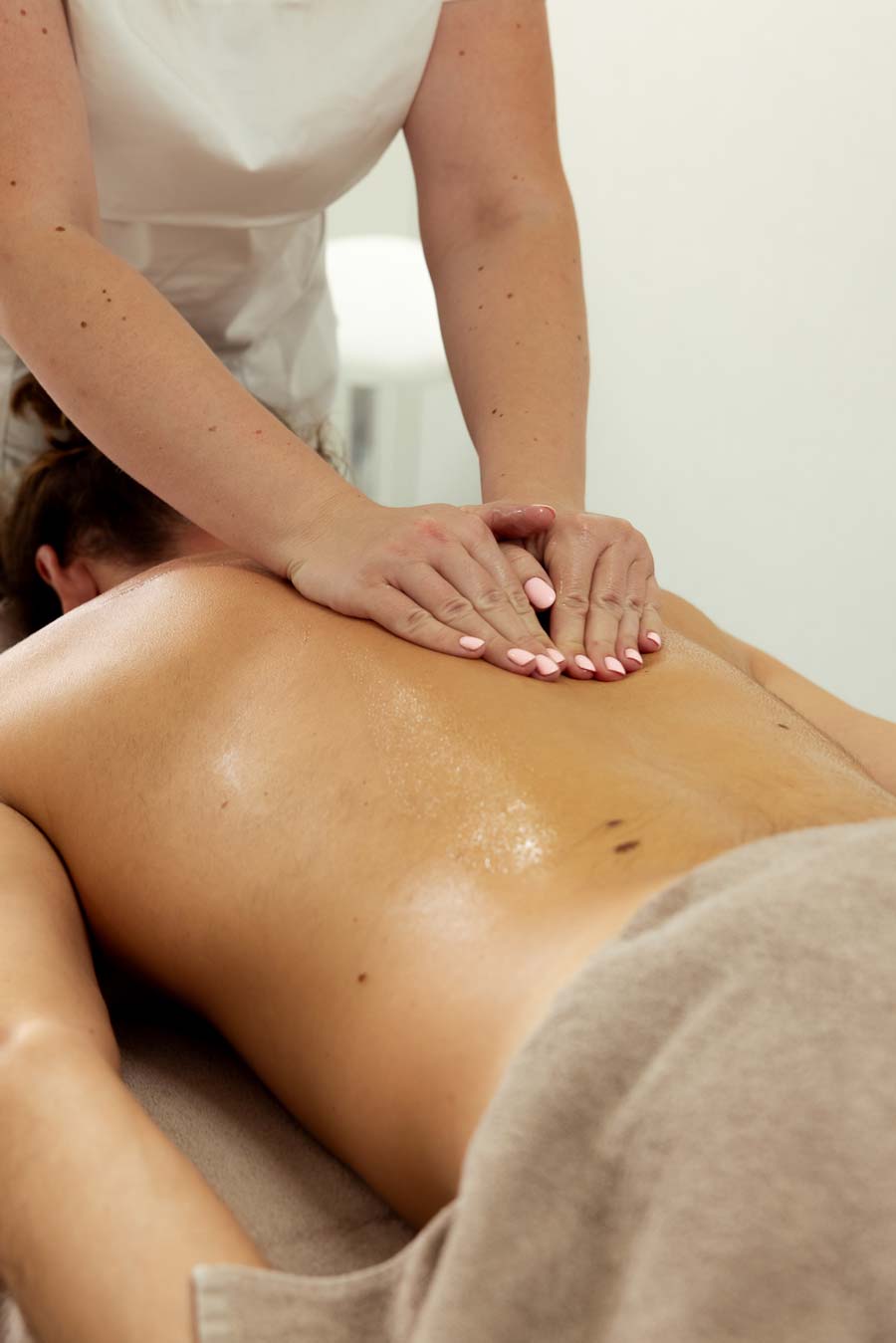
The goal of therapy is not to “fix” the lymphatic system – but to help the body function with it and prevent the condition from worsening.
What is lymphedema and why does it occur?
The lymphatic system is a network of vessels and nodes that helps remove excess fluid from tissues and return it to the bloodstream. When this system does not function properly due to surgery, injury, infection, or a congenital condition, protein-rich fluid begins to accumulate in the tissue. The result is swelling that does not go away on its own.
Unlike typical swelling that subsides after a few days, lymphedema is a chronic condition that progresses without proper treatment. The tissue gradually becomes firmer, the skin changes, and everyday movements become increasingly difficult.
One of the most common causes of lymphedema we see in clinical practice is cancer-related, particularly in women after breast cancer surgery and lymph node removal.
Cure or management – what is the difference?
This is a question almost every patient asks at their first appointment. And it deserves an honest answer.
Lymphedema is not currently a condition that can be completely cured. Damaged or missing lymphatic vessels do not regenerate on their own. However, and this is key, lymphedema can be managed very effectively. With the right therapy and education, most patients can live active lives without significant limitations and keep the swelling under control.
What does lymphedema treatment look like?
The gold standard in lymphedema treatment is Complete Decongestive Therapy (CDT) – a combination of methods that work together to achieve results that none of them could accomplish on their own.
1. Manual lymphatic drainage
This is not a traditional massage. It is a specialised technique using gentle, rhythmic movements to direct lymph fluid from the affected area toward healthy lymph nodes. The therapy reduces swelling, improves circulation, and relieves the feeling of tightness in the tissue.
2. Compression therapy
After drainage, compression is what helps maintain the results. We use compression bandages and garments such as sleeves or stockings to support the lymphatic system from the outside and prevent fluid from accumulating again. Patient education is also essential, as proper bandaging is not something done only in the clinic – it becomes part of everyday life.
3. Therapeutic exercise
Movement is medicine. Muscle contractions during activity are one of the key drivers of lymph flow. Exercise programmes are tailored to each individual patient and include mobility work, breathing exercises, light strength training, and functional movements.
4. Skin care
Patients with lymphedema have a higher risk of infections because the impaired lymphatic system is less effective at responding to external threats. Proper hygiene and skin care are not a minor detail – they are an essential part of the treatment protocol.
What about lipedema – is there a difference?
This is worth clarifying, as lipedema and lymphedema are often confused.
Lipedema is a chronic disorder of fat distribution that occurs almost exclusively in women. It is characterised by a disproportionate buildup of subcutaneous fat, most commonly in the legs, which is often painful to the touch and does not respond to diet or exercise.
Unlike lymphedema, swelling in lipedema typically does not affect the feet. In more advanced stages, a combination of both conditions can occur, known as lipo-lymphedema.
CDT is also used in the treatment of lipedema, but with a different goal: not so much reducing tissue volume, but rather decreasing pain and improving quality of life.
Education as the foundation of long-term success
In March 2026, our physiotherapist Dora Avramovski participated in the international symposium “Multidisciplinary Approach to the Treatment of Lymphedema, Lipedema and Chronic Wounds,” held at Hotel Ičići. The event brought together experts from various fields to exchange the latest knowledge and advancements in the diagnosis and treatment of lymphedema.
The symposium raised important questions that we encounter in our daily work with patients. What Dora brought back was not only new knowledge, but also confirmation that the approach we use at Remediso is aligned with the highest international standards.
Lymphedema is more common than we think. It is estimated that between 2.5% and 5% of the global population has some form of lymphedema, and many of them do not even know why their legs are swelling or why they feel heaviness.
Patient education is just as important as therapy. What patients do between sessions, how they wear compression, how they move, and how they care for their skin, directly affects long-term outcomes.
An individualised approach is not optional, it is essential. Every case of lymphedema has its own story. A protocol that works for one patient may be inappropriate for another.
The psychological aspect must not be overlooked. Research shows that people with lymphedema and lipedema experience higher levels of body dissatisfaction and an increased risk of depressive symptoms, which means that a holistic approach must include this dimension as well.
This experience reinforced what we have believed from the very beginning: treating lymphedema requires knowledge, patience, and a team that keeps up with developments in the field.
Manual lymphatic drainage according to the Dr. Vodder method – our approach
This is a gentle, manual technique that uses light, circular movements to direct lymph fluid toward healthy lymph nodes. The therapy begins by stimulating the main lymphatic areas and then gradually progresses toward the affected part of the body. The movements are soft and performed without oils, making the method safe even for very sensitive skin.
The result is not only reduced swelling. Patients often report a feeling of lightness in the body, improved circulation, and faster recovery.
If you have lymphedema, post-operative edema, or have undergone cancer treatment involving lymph node removal, this therapy may be right for you.
When should you seek help?
Do not wait until the swelling becomes harder to manage. Visit us if you:
- notice persistent swelling in your arm, leg, or another part of the body
- feel heaviness, tightness, or pain in a limb
- have had lymph node surgery or cancer treatment
- notice that the skin in the affected area is becoming firmer or changing
Book an appointment at Remediso
Lymphedema does not have to limit your life. With the right therapeutic approach, compression, movement, and education, living with lymphedema can be active and fulfilling.
At the Remediso Center for Physical Medicine and Rehabilitation in Split, we combine professional expertise, modern technology, and an individualised approach for every patient.
Book your appointment online or call us at +385 21 279 844.
At Remediso, we perform manual lymphatic drainage using the Dr. Vodder method, the gold standard in lymphedema treatment worldwide.